Hormones & ADHD: What Every Woman Needs to Know in Her 30s and 40s
If you’re a woman in your 30s or 40s and your ADHD symptoms seem to be getting worse, you’re not imagining it. Brain fog, emotional overwhelm, time blindness, and focus issues can all intensify as your hormones begin to fluctuate. But this isn’t widely talked about. Many women are left wondering, “Is this just life getting harder, or am I losing control of my mind?”
The truth? Your hormones and your ADHD are deeply connected, especially estrogen and dopamine. Understanding this relationship can be the difference between self-blame and empowered management.
Let’s break it down in a way that’s informed, grounded, and actually helpful.
1. How Estrogen Affects ADHD in Women
Estrogen isn’t just about fertility and periods. It plays a key role in how your brain uses dopamine, the neurotransmitter that regulates attention, motivation, and mood.
So when estrogen drops or fluctuates:
- Dopamine becomes less available
- ADHD symptoms often worsen especially emotional regulation, working memory, and focus
This explains why many women:
- Experience an uptick in symptoms during PMS (when estrogen drops)
- Struggle more in perimenopause
- Are misdiagnosed for years because their ADHD doesn’t look “typical” (i.e., not always hyperactive)
2. Why ADHD in Women Often Gets Missed Until Later in Life
Unlike boys, who are more often diagnosed in childhood, many girls are conditioned to mask ADHD symptoms: they overachieve, people-please, internalize stress, and appear “fine” – until they’re not.
It’s common for women to finally receive an ADHD diagnosis in their 30s or 40s, often triggered by:
- Career burnout
- Motherhood stress
- Perimenopause
- Chronic overwhelm that’s no longer manageable
If that’s you, it’s not a failure. It’s a sign that your body and brain are asking for a new kind of support.
3. The Hormone Cycle’s Impact on ADHD Symptoms
Each month, your hormones shift across four key phases and if you have ADHD, these fluctuations can intensify or ease symptoms depending on the week.
Here’s how ADHD might track with your cycle:
| Phase | Hormones | Common ADHD Impact |
| Follicular (Day 1–14) | Estrogen rising | Better focus, motivation |
| Ovulation (Around Day 14) | Peak estrogen | Peak energy & clarity |
| Luteal (Day 15–28) | Estrogen drops, progesterone rises | Mood dips, irritability, impulsivity |
| Menstruation | Hormones at lowest | Brain fog, fatigue |
Knowing this helps you anticipate challenges rather than blame yourself.
4. Perimenopause, ADHD, and the Dopamine Drop-Off
In your late 30s and 40s, estrogen levels start to become unpredictable and for women with ADHD, this can feel like your brain is suddenly working against you.
You might notice:
- Emotional reactivity
- Struggling to prioritize or complete tasks
- Forgetfulness and word-finding difficulty
- Increased anxiety or overwhelm
- Exhaustion from “masking” symptoms
This isn’t just aging, it’s your changing hormone landscape influencing your cognitive and emotional patterns.
5. Natural Ways to Support Hormonal ADHD in Midlife
Medication can help many women and there’s no shame in using it. But if you want to complement it naturally or aren’t using medication, here are foundational supports to improve both hormonal balance and ADHD symptoms.
🔹 Balance Blood Sugar
Dopamine function is sensitive to glucose highs and lows. Stabilize your energy and mood with:
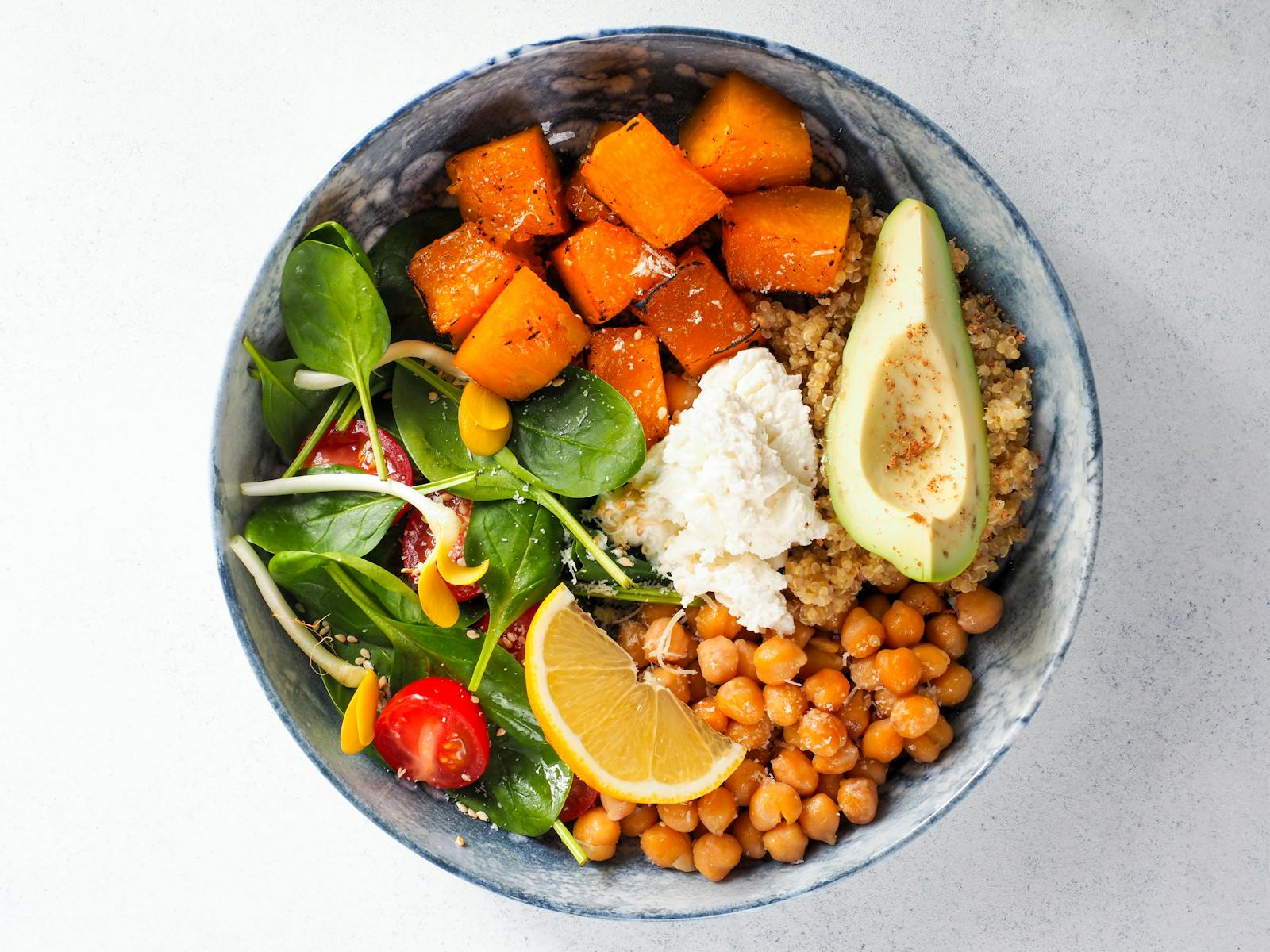
- Protein + fat at every meal
- Avoiding sugary breakfast foods
- Limiting caffeine on an empty stomach
🔹 Use Adaptogenic Herbs
Some herbs gently regulate stress and hormone balance:
- Rhodiola: Improves mental clarity and focus
- Maca root: Supports estrogen balance and energy
- Ashwagandha: Calms the nervous system and supports cortisol
Always check for interactions if you’re on ADHD meds.
🔹 Support Estrogen Naturally
Estrogen levels influence dopamine so nurturing healthy estrogen metabolism can improve ADHD symptoms:
- Eat cruciferous vegetables (broccoli, kale, cauliflower)
- Reduce xenoestrogens (plastics, chemical-laden skincare)
- Use flax seeds and fermented foods to support gut-hormone balance
🔹 Cycle Sync Your Tasks
When possible, match your tasks to your hormonal strengths:
- Follicular phase: Plan, brainstorm, initiate projects
- Ovulation: Present, meet, pitch, socialize
- Luteal: Edit, refine, wrap up
- Menstruation: Rest, reflect, re-evaluate
You’re not lazy you’re cyclical, and that’s a strength once you work with it.
6. Emotional Health and ADHD in Hormonal Years
ADHD isn’t just about task management. It impacts how you experience shame, self-worth, and emotional burnout especially if you’ve spent years trying to be “on top of everything.”
Hormonal changes often trigger unresolved emotional wounds. Some tools that help:
- Therapy with ADHD-literate or trauma-informed practitioners
- Journaling your weekly hormone/ADHD symptoms
- Body-based rituals like breathwork, movement, or even massage
Healing is cognitive, hormonal, and emotional and you’re allowed to support all three.
Final Thoughts: You’re Not Failing, Your Chemistry Is Changing
If you’re a woman in your 30s or 40s navigating ADHD, and everything suddenly feels harder, know this:
- You’re not broken.
- Your hormones are shifting.
- Your dopamine needs support.
- And your awareness is your superpower.
Understanding the relationship between your estrogen, dopamine, and executive function can help you create a life that works with your brain and your cycle, not against it.
You don’t need to be perfect, just supported.

You May Also Like

How to get energy back during your luteal phase

Short Luteal Phase and Fertility: Causes, Symptoms, and Natural Treatments