-
Magnesium for Hormone Health: The Vital Mineral for Women in Their 30s, 40s, and 50s
As women navigate their 30s, 40s, and 50s, hormonal health becomes an increasingly important pillar of well-being. From menstruation and fertility to perimenopause and menopause, fluctuating hormone levels can impact everything from mood and sleep to energy and bone density. While many nutrients support female wellness, magnesium stands out as a game changer for hormone regulation, symptom relief, and overall vitality. Why Magnesium Is Essential for Women’s Hormone Health Magnesium is a powerhouse mineral involved in over 300 biochemical reactions in the body. Its impact on hormones is wide-ranging: Studies show that women have a higher risk of magnesium deficiency than men, partly because estrogen influences magnesium use and absorption in tissues. Essentially, hormone…
-
Hormone Balance After 30: Essential Tips for Maintaining Health and Vitality
Hormone balance after 30 naturally shifts as key hormones like estrogen, progesterone, testosterone, and growth hormone begin to decline. These changes can affect mood, energy, metabolism, and even muscle mass. Understanding how these hormonal fluctuations impact the body is essential for maintaining overall health and well-being in this stage of life. Many people notice shifts in weight, energy levels, and mood as they move through their 30s due to these hormonal adjustments. While the decline in hormones is normal, lifestyle choices such as nutrition, exercise, and stress management can play a crucial role in supporting hormone balance. As the body changes, staying informed about these hormonal shifts helps individuals make…
-
How to Naturally Increase Progesterone for Hormonal Balance and Wellbeing
Progesterone plays a vital role in regulating the menstrual cycle, supporting pregnancy, and maintaining overall hormonal balance. When levels drop too low, it can lead to symptoms like mood swings, irregular periods, and difficulty conceiving. Natural methods such as adjusting diet, managing stress, and incorporating specific nutrients can help increase progesterone without medication. Certain foods rich in vitamin B6, magnesium, and healthy fats support the body’s ability to produce progesterone. Alongside dietary changes, lifestyle habits like meditation and yoga can reduce stress, which otherwise hampers hormone production. This approach offers a practical way to balance hormones and improve well-being naturally. Understanding how to naturally boost progesterone is especially important for…
-
How to get energy back during your luteal phase
Regaining energy during the luteal phase, a period between ovulation and menstruation marked by increased progesterone, is a challenge for many women. This phase often comes with fatigue, cravings, mood swings, and a noticeable dip in stamina. However, by adjusting your routine, diet, supplement strategy, and activity level to align with these hormonal fluctuations, you can restore your energy and support your overall well-being. Understanding the Luteal Phase and Energy Dip During the luteal phase, estrogen and progesterone rise to prepare the body for possible pregnancy. If fertilization doesn’t occur, hormone levels fall, triggering PMS symptoms like bloating, irritability, low motivation, and fatigue. The body’s resting metabolic rate also increases,…
-
Perimenopause vs Menopause: What’s Really Happening in Your Body?
Perimenopause and menopause are distinct yet closely related phases in a woman’s reproductive life, each marked by significant hormonal shifts and a wide array of physical and emotional changes. Understanding what’s really happening inside your body during these transitions can empower you to navigate them with greater confidence, compassion, and preparedness. What Is Perimenopause? Perimenopause, literally meaning “around menopause”, is the transitional phase leading up to menopause. It generally begins in a woman’s 40s (sometimes as early as the mid-30s) and can span several years. During perimenopause, your ovaries gradually decrease estrogen production, leading to the earliest signs that your reproductive system is changing. The hallmark of perimenopause is unpredictable…
-
Natural Birth Control Alternatives to Hormone-Based Methods
Natural birth control alternatives to hormone-based methods offer a gentle, holistic approach for those seeking contraception without synthetic hormones, supporting natural body rhythms and minimizing side effects. These methods, often classified as fertility awareness-based methods (FABMs), empower individuals to make informed choices through greater self-awareness and cooperation. Key Natural Birth Control Methods Fertility Awareness Methods (FAMs)Fertility awareness involves learning about and tracking your body’s natural signs of fertility to avoid pregnancy. Common FAMs include: Calendar Method: Tracks menstrual cycles to predict fertile days. Couples avoid unprotected sex during these times. Basal Body Temperature (BBT) Method: Measures temperature upon waking to detect ovulation. A subtle rise in temperature indicates the fertile…
-
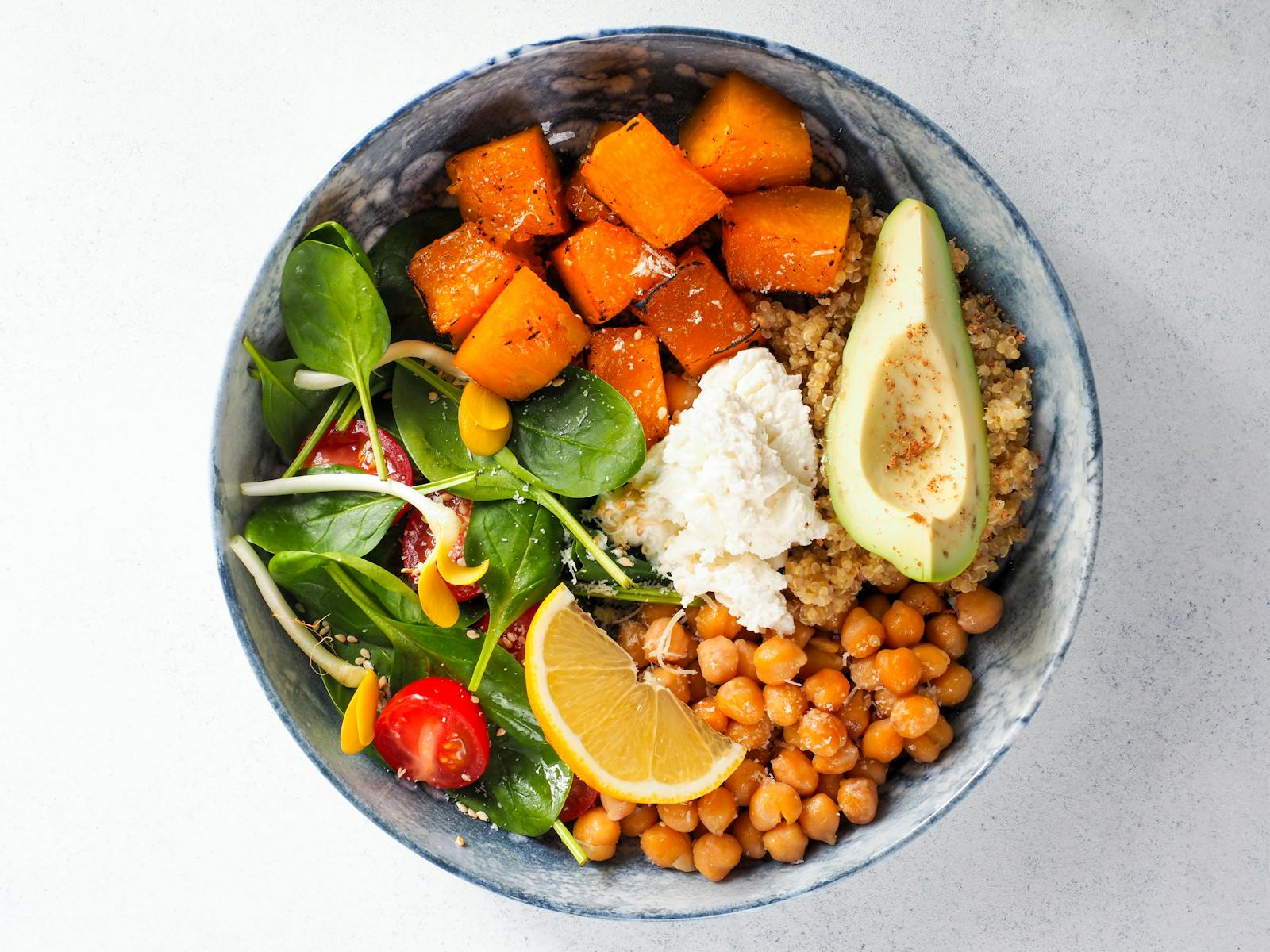
Glow Bowl: Hormone-Balancing Sweet Potato & Greens Bowl
Why It Works: Ingredients (Serves 2) For the Hormone-Glowing Tahini Dressing: Instructions HormoneGlow Tip: Make a double batch of roasted veggies and dressing for easy, balanced lunches all week. Your hormones will thank you and so will your future self.
-
Hormones & ADHD: What Every Woman Needs to Know in Her 30s and 40s
If you’re a woman in your 30s or 40s and your ADHD symptoms seem to be getting worse, you’re not imagining it. Brain fog, emotional overwhelm, time blindness, and focus issues can all intensify as your hormones begin to fluctuate. But this isn’t widely talked about. Many women are left wondering, “Is this just life getting harder, or am I losing control of my mind?” The truth? Your hormones and your ADHD are deeply connected, especially estrogen and dopamine. Understanding this relationship can be the difference between self-blame and empowered management. Let’s break it down in a way that’s informed, grounded, and actually helpful. 1. How Estrogen Affects ADHD in…
-
Womb Healing Rituals: Gentle Ways to Reconnect With Your Body
By the time you reach your 30s or 40s, your relationship with your body, especially your womb, may feel complicated. You’ve likely experienced changes: irregular periods, heightened PMS, fertility challenges, heavier bleeds, or unexpected emotional shifts during your cycle. Whether or not you’ve had children, whether or not you plan to, the womb area often holds tension, memory, and unmet needs. Womb healing rituals aren’t about mysticism or perfection. They’re about reconnection. They create space, physically and emotionally, for you to listen to your body, honor what it’s been through, and gently support your hormonal and reproductive health. 1. Castor Oil Packs for Pelvic Circulation and Hormonal Support Castor oil…
-
How to Support Fertility in Late 30s Naturally: Effective Lifestyle and Dietary Strategies
Supporting fertility naturally in the late 30s requires a focused approach that addresses both lifestyle and overall reproductive health. Hormone balance, diet, stress management, and regular medical check-ups play key roles in maintaining fertility during this period. Making targeted lifestyle adjustments can improve chances of conception without invasive treatments. It is essential to understand how age-related changes impact fertility and to take proactive steps such as optimizing nutrition, reducing stress, and ensuring adequate sleep. Consulting healthcare providers for hormone testing and personalized advice also helps identify potential obstacles early. With consistent attention to these factors, many can enhance their fertility naturally in their late 30s. This article will outline practical, evidence-backed…